Smartwatches and other wearable devices are reshaping how Europeans manage their health. What began as fashionable accessories are now essential tools for continuous health monitoring, trusted by both users and health professionals.
According to the 2025 European Health Behaviour Survey, conducted by Huawei in collaboration with Ipsos, a growing number of doctors see smart devices as allies in encouraging healthier lifestyles and supporting proactive health management.
Smartwatches Encourage Healthier Habits
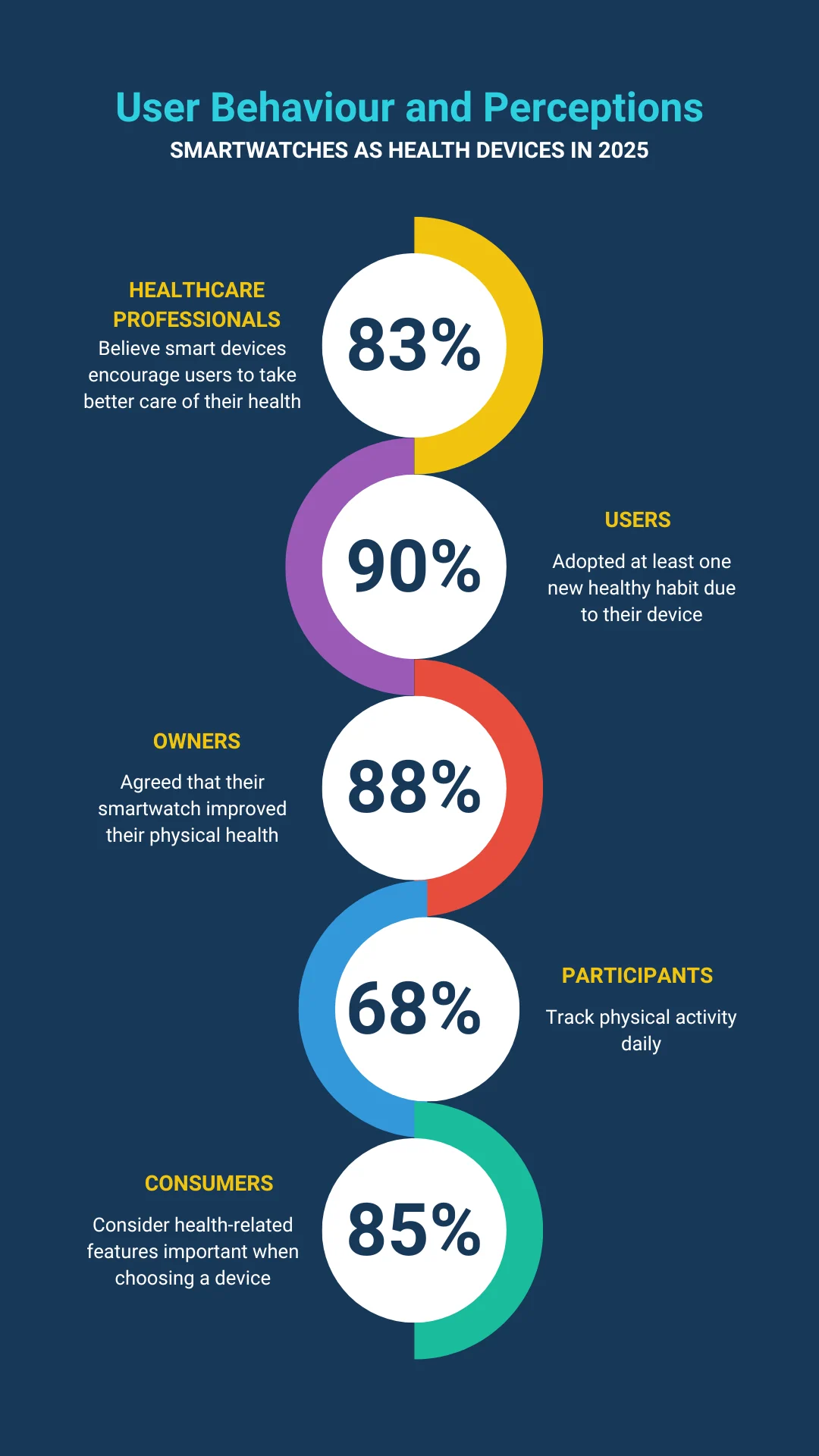
The data shows that 83% of healthcare professionals believe smart devices encourage users to take better care of their health. This is echoed by users: back in 2023, 90% of smartwatch owners reported adopting at least one new healthy habit, and 88% said their physical health had improved thanks to their smartwatch.
More than 80% of current users report positive behavioural changes, including increased physical activity and better sleep habits, influenced directly by insights from their devices.
From Passive Tracking to Active Health Management
Wearables have shifted the health landscape from occasional tracking to active, daily self-monitoring. Users are increasingly engaging with their health data, tracking metrics such as:
- Physical activity;
- Sleep quality;
- Heart rate;
- Blood pressure.
This evolution is reflected in the survey, where 78% of health professionals believe smart devices promote lifestyle improvements, and 70% note a specific increase in regular physical activity among their patients.
Key Health Indicators According to Experts and Users
Healthcare professionals identified the following top five indicators as the most important to monitor via smart devices:
- Blood pressure, recommended to be measured several times a week;
- Blood glucose levels;
- Heart rate;
- Blood oxygen saturation (SpO₂), ideally monitored at least monthly;
- Electrocardiogram (ECG);
Users, on the other hand, tend to prioritise:
- Sleep tracking;
- Calorie monitoring;
- Hydration tracking.
Still, there is significant alignment. 76% of users rank blood pressure as the most important health metric, followed by heart rate and blood sugar levels (72%). Sleep is a top concern for users, yet only 8% of doctors consider it a critical health metric.
Smartwatches Trigger Real-Life Doctor Visits
The impact of wearable data is increasingly real: 93% of healthcare professionals have already had patients come in due to a smartwatch alert. This marks a shift in behaviour, where users not only trust their devices but act on them, taking a more proactive role in managing their well-being.
As Andreas Zimmer, product manager at Huawei, points out, the technology is helping to bridge the gap between user knowledge and professional medical insight, encouraging a smarter approach to personal health.
Wearables Are Redefining Health in Europe
Wearable tech is now playing a pivotal role in reshaping health management across Europe. As the 2025 survey demonstrates, people are becoming:
- More health-aware;
- More engaged with proactive monitoring;
- More confident in smart health tools.
While wearables do not replace professional healthcare, they are proving to be valuable allies in building healthier habits, raising awareness, and encouraging better communication between patients and doctors.
Final Thoughts
As smartwatches become more sophisticated and accessible, they are no longer just tech gadgets – they are becoming essential companions in the pursuit of a healthier life. The growing trust placed in these devices by both users and healthcare professionals reflects a broader cultural shift toward proactive health management.
By encouraging healthier habits, offering real-time insights, and bridging communication between patients and doctors, smart devices are helping to shape a future where well-being is actively monitored, rather than reactively treated.
While they do not replace medical expertise, smartwatches are proving to be valuable allies in keeping us informed, alert, and motivated to make better choices every day.