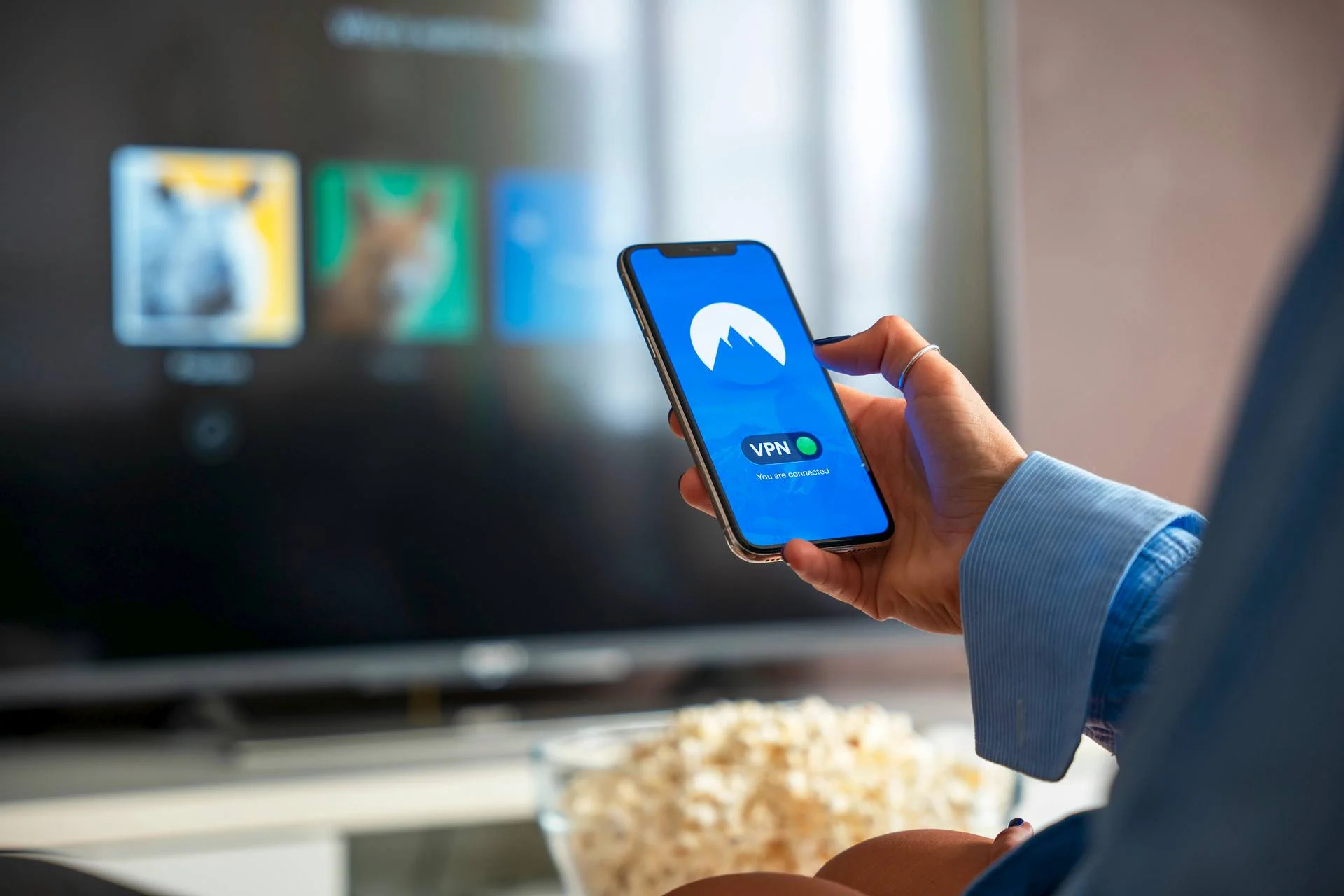
A VPN isn’t just for techies anymore, it’s your everyday tool for safer browsing, smarter shopping, and unlocking the internet’s full potential.
Why Use a VPN?
In today’s digital world, using a VPN is one of the simplest ways to take back a bit of online control. Whether you’re just browsing, shopping online, or streaming your favorite shows, a VPN helps keep your data private, hides your location, and can even unlock better deals or exclusive content. Imagine watching a series only available in another country, or scoring cheaper flights just by changing your virtual location, VPNs make that possible. And the best part? You don’t need to be a tech expert to use one. We’ve rounded up some of the best VPNs out there, whether you’re after privacy, streaming freedom, or just a more secure internet experience.
Top VPN Solutions to Your needs
For most people, the ideal VPN is one that just works, no complicated setups, no command lines, just a simple app you can tap and trust. That’s exactly what commercial VPN providers offer. They run large server networks around the world, build polished apps for all your devices, and pack in strong privacy features to keep your online activity secure.
Whether you’re a casual browser, an online shopper chasing better deals, or someone who wants access to content from across the globe, these services are built for ease and convenience. Many also come with extra perks like ad blocking, malware protection, and live customer support when you need it.
That said, using a commercial VPN means placing trust in a company, so it’s important to stick with providers that are open about their privacy practices, have no-logs policies, and (ideally) submit to independent audits. Now, let’s take a look at some of the most trusted options out there.
CyberGhost
A user-friendly VPN great for beginners, with specialized servers for streaming and torrenting. Based in Romania, it has a no-logs policy and a colorful, intuitive app.
Best for: Streaming and beginners who want something plug-and-play;
Downside: Owned by Kape Technologies, which raises some trust concerns for privacy purists.
ExpressVPN
A favorite for its speed and ease of use, ExpressVPN is often recommended for streaming and bypassing censorship. It uses its own Lightway protocol, has a no-logs policy, and is based in the British Virgin Islands.
Best for: Speed, streaming, unblocking content;
Downside: Pricier than most, and requires an email/account.
Hide.me
A lesser-known but solid VPN with strong encryption, a decent free plan, and many advanced features like split tunneling and custom ports. Based in Malaysia.
Best for: Free tier with good privacy tools and manual tweaking;
Downside: Interface isn’t as polished, and some features are limited unless paid.
HideMyAss!
One of the oldest VPN brands, now owned by Avast. Known for a large number of servers and broad device support. Based in the UK, which may be a concern for privacy.
Best for: Casual users needing global server coverage;
Downside: Based in a 5-Eyes country and has a history of cooperating with authorities.
IPVanish
A US-based VPN with strong performance and customizable apps. Offers unlimited connections and good speeds, especially for Kodi users.
Best for: Users who like tweaking settings or use Kodi;
Downside: Located in the US and had a past logging scandal (though now claims strict no-logs).
IVPN
Privacy-focused like Mullvad, IVPN allows anonymous accounts, accepts crypto and cash, and has a transparent no-logs policy. Based in Gibraltar.
Best for: Privacy-conscious users looking for a Mullvad alternative;
Downside: Limited server network, not great for streaming.
Mullvad VPN
A top choice for privacy lovers. No email or account required, just a numbered ID. It’s open source, accepts cash payments, and is based in Sweden.
Best for: Hardcore privacy enthusiasts and open-source supporters;
Downside: No dedicated streaming servers and a fairly barebones interface.
NordVPN
A feature-rich VPN with a huge server network, double VPN routing, and specialty servers for P2P and Tor. It also includes a built-in ad/tracker blocker and is independently audited.
Best for: All-around performance, security features;
Downside: UI can feel bloated for minimalists, and marketing is aggressive.
PIA (Private Internet Access)
A long-standing VPN known for transparency and a massive server list. Fully open source and based in the US. Strong on customization and automation.
Best for: Power users and open-source advocates;
Downside: US jurisdiction might turn off strict privacy seekers.
PrivateVPN
A small but capable Sweden-based VPN. Offers port forwarding, decent speeds, and a clean interface. Great for torrenting and bypassing restrictions.
Best for: Simple, secure use without the bloat;
Downside: Smaller server network and limited advanced features.
Proton VPN
Built by the makers of ProtonMail, it blends strong privacy, open source code, and a free plan with no data limits. Based in Switzerland and audited.
Best for: Privacy-focused users and tech-savvy folks;
Downside: Some advanced features are behind a paywall, and speeds vary on the free plan.
Surfshark
A budget-friendly VPN that allows unlimited devices, with features like CleanWeb (ad blocking), MultiHop, and a solid no-logs policy. Based in the Netherlands.
Best for: Families or users with many devices, budget-conscious users;
Downside: Slightly newer, not as transparent as Proton or Mullvad.
TunnelBear
A beginner-friendly VPN with a playful interface and a strong focus on simplicity. TunnelBear regularly publishes independent security audits.
Best for: VPN beginners, simple private browsing, transparency;
Downside: Free plan offers only 500MB/month, and it lacks advanced features.
Windscribe
Offers a privacy-respecting and genuinely usable free tier (10GB/month), with advanced features like DNS blocking (R.O.B.E.R.T.) and split tunneling.
Best for: Users looking for a flexible or free plan with decent privacy;
Downside: Corporate structure is less transparent than some alternatives. Performance can vary.
What is the best for you
Privacy Focused
- Mullvad VPN – No email/account required, accepts cash, open source, Sweden-based;
- IVPN – Anonymous signup, accepts crypto/cash, transparent no-logs, privacy-first;
- Proton VPN – Swiss-based, strong privacy laws, open source, audited;
- PIA (Private Internet Access) – Fully open source, transparency reports;
- Hide.me – Strong encryption, detailed control, decent privacy features;
- Windscribe – Strong DNS blocking and encryption, decent free tier, no logs;
- TunnelBear – Regular audits, clean interface, owned by McAfee but still transparent.
Best for Streaming Platforms
- ExpressVPN – Top speed and excellent at unblocking Netflix, BBC iPlayer, etc;
- CyberGhost – Specialized streaming servers for multiple platforms;
- NordVPN – SmartPlay tech and specialized servers for bypassing geo-blocks;
- Surfshark – Reliable streaming performance, unlimited devices;
- PrivateVPN – Small but effective at unlocking platforms;
- HideMyAss! – Broad global server range, decent for accessing region-locked content.
Ease of Use
- TunnelBear – Super simple interface, great for VPN beginners;
- CyberGhost – Beginner-friendly, colorful interface, one-click connections;
- ExpressVPN – Polished and consistent apps across all devices;
- Surfshark – Clean UI, easy setup, unlimited devices;
- NordVPN – Slightly busier interface but still intuitive for most users;
- PrivateVPN – Simple and clean design with fewer distractions.
Best Deal (Value for Features)
- Surfshark – Great pricing for unlimited devices and strong features;
- PrivateVPN – Low-cost and solid basic performance;
- PIA – Often offers steep discounts, very customizable;
- Windscribe – Flexible build-a-plan model for exactly what you need;
- CyberGhost – Often runs aggressive long-term deals with lots of extras.
Best Free Tier
- Proton VPN – Unlimited bandwidth on free plan, limited servers;
- Windscribe – 10GB/month, lots of features even without paying;
- Hide.me – 10GB/month, with strong privacy and no ads;
- TunnelBear – 500MB/month, very limited but great for light use/testing.
Final Toughts
In today’s world, ditching your smartphone or computer isn’t really realistic, and honestly, you don’t have to. These devices are super useful, but they can also put your privacy at risk if you’re not careful. The real secret? Using them thoughtfully.
By choosing apps wisely, limiting unnecessary permissions, keeping everything updated, and using privacy-friendly tools like VPNs and encrypted messaging, you take control of your data. Don’t forget to use strong passwords and two-factor authentication, and always secure your devices physically too.At the end of the day, protecting your privacy isn’t about avoiding tech, it’s about making smart choices every time you tap, click, or browse. That’s how you enjoy all the perks of modern tech while keeping your personal info safe and sound.